Cataract occurs when the natural lens inside the eye gradually becomes cloudy, leading to blurred vision, glare, reduced colour perception and other issues that affect daily life. Cataract surgery mainly involves removing the cloudy natural lens and implanting an intraocular lens (IOL) to improve the patient’s vision.
With advances in ophthalmic technology, a variety of intraocular lenses are now available. In addition to correcting the blurred vision caused by cataract, some IOLs can also correct myopia, hyperopia, astigmatism or presbyopia at the same time, reducing the need for glasses after surgery. Common types of intraocular lenses currently include monofocal, multifocal, extended depth of focus (EDOF) and light-adjustable lenses (LAL). Each type has its own characteristics. Patients should discuss the most suitable option with an ophthalmologist based on their eye health, lifestyle and visual needs.
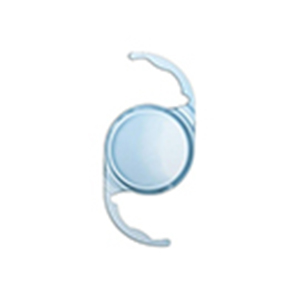
Monofocal intraocular lenses provide clear vision at one fixed distance, usually set for far vision such as watching television, walking or driving. After surgery, patients generally still need reading glasses for near activities such as reading or using a mobile phone.
Key features: Relatively simple optical design, usually offers good image contrast, and is less likely to cause halo effects associated with multifocal lenses.
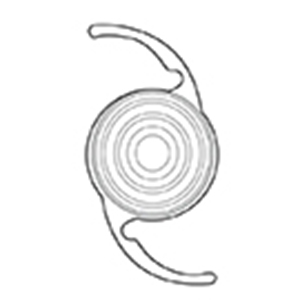
Multifocal intraocular lenses use special optical designs to distribute light to different focal points, allowing patients to achieve varying degrees of clear vision at far, intermediate and near distances, with the potential to reduce dependence on glasses after surgery.
Key features: Suitable for patients who wish to reduce daily reliance on glasses. However, some individuals may experience night-time halos, glare or reduced contrast sensitivity.
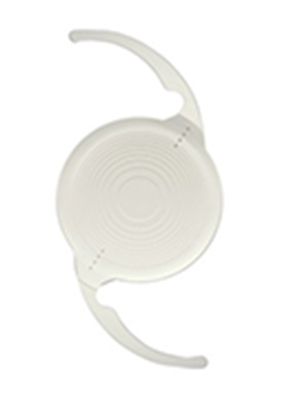
Extended depth of focus intraocular lenses utilise special optical technology to lengthen the range of clear focus, providing patients with more continuous vision from far to intermediate distances, such as driving, using a computer or performing daily activities.
Key features: Offers a wider range of clear vision, although reading glasses may still be needed for fine print. Some designs may also produce halos or glare.
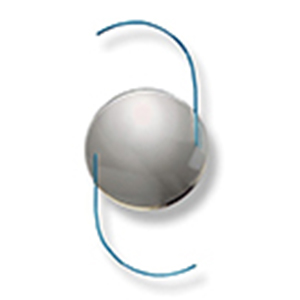
The Light Adjustable Lens is an intraocular lens whose power can be further adjusted after cataract surgery. Based on the patient’s actual post-operative vision, the doctor can fine-tune the refractive power of the lens using a specialised ultraviolet light delivery device.
Key features: Unlike traditional intraocular lenses that mainly rely on pre-operative calculations, the LAL allows personalised fine-tuning after surgery, increasing the chance of achieving the intended refractive target.
What is the Light Adjustable Lens™ (LAL)?
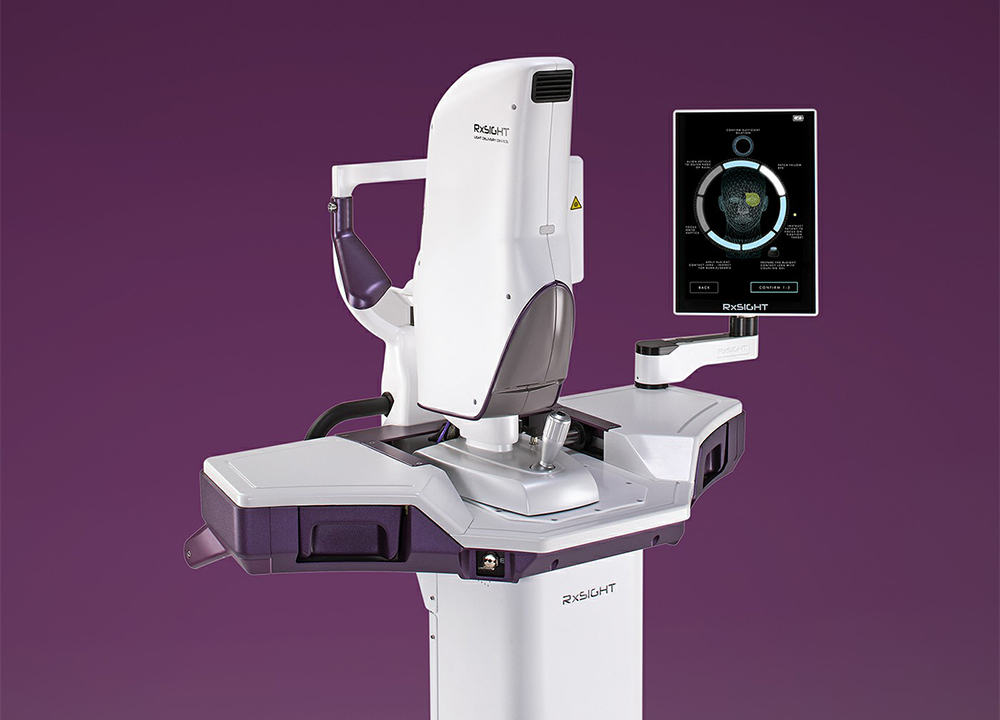
In traditional cataract surgery, the power of the intraocular lens is calculated and selected before the operation based on measurements of the eye. However, even with precise measurements, the actual post-operative refractive outcome may still differ from the intended target.
The Light Adjustable Lens™ (LAL) is made from an innovative light-sensitive material. Its key feature is that the power of the lens can still be adjusted after implantation through a specialised ultraviolet light treatment.
Once the eye has recovered and vision has stabilised after surgery, the doctor can fine-tune the lens power according to the patient’s actual refractive result and daily visual needs. This personalised adjustment increases the chance of achieving the intended visual target.
This “implant first, adjust later” technology offers a more flexible option for vision correction in cataract surgery.
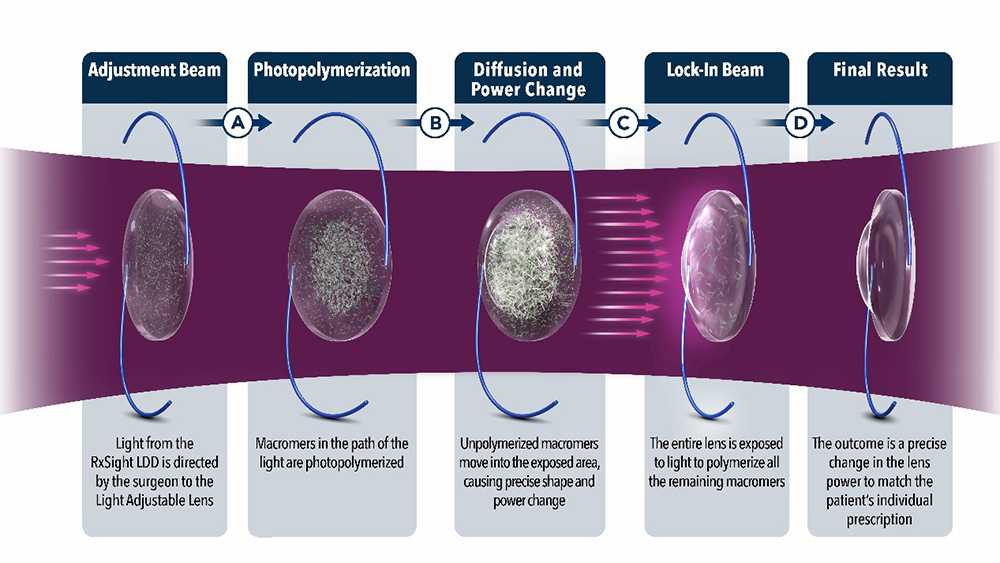
The Light Adjustable Lens™ (LAL) is made from a special light-sensitive material that can change its refractive power when exposed to ultraviolet light of a specific wavelength. Unlike traditional intraocular lenses, the LAL can be personally adjusted after cataract surgery based on the patient’s actual vision.
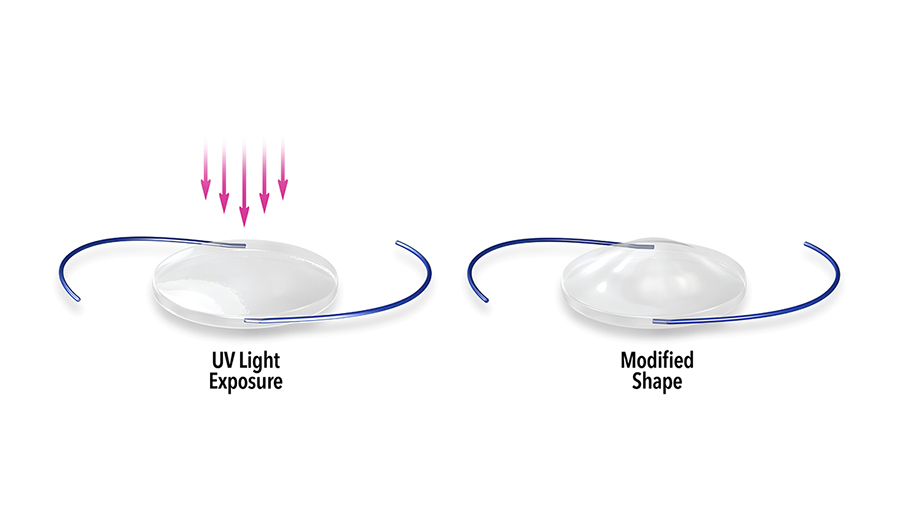
Step 1: Implantation of the light-sensitive lens
During cataract surgery, the doctor removes the cloudy natural lens and implants the LAL, which contains special photosensitive molecules.
Step 2: Precise ultraviolet light treatment
Once post-operative vision has stabilised, the doctor uses a specialised Light Delivery Device (LDD) to deliver ultraviolet light of a specific wavelength onto the intraocular lens.
Step 3: Reaction of the photosensitive molecules
The ultraviolet light causes the photosensitive molecules in the irradiated area to polymerise and prompts the unreacted molecules to redistribute. This changes the optical shape and refractive power of the lens.
Step 4: Fine-tuning and locking the power
Based on the patient’s vision test results, the doctor may perform further light adjustments as needed. Once the desired refractive target is achieved, a lock-in light treatment is applied to permanently fix the power of the lens.
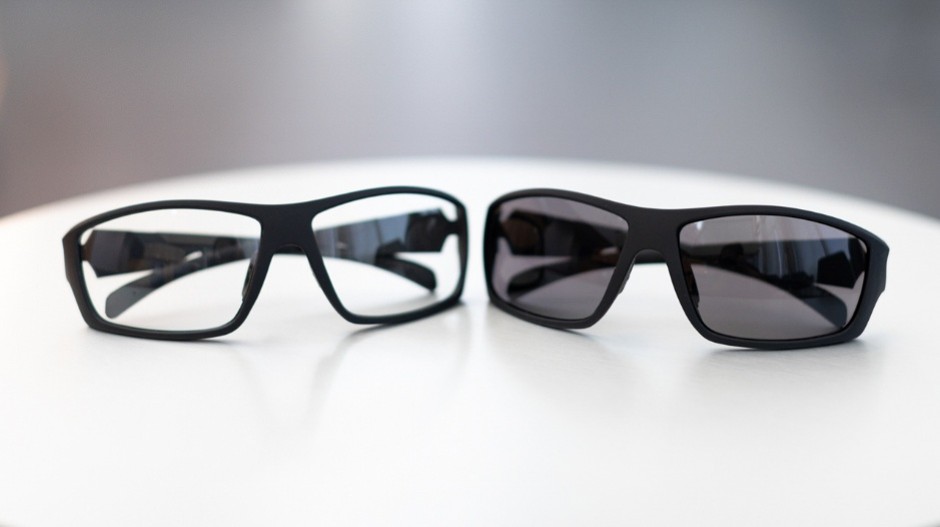
Before the light adjustment and lock-in procedures are completed, patients must wear the prescribed UV-protective glasses as instructed by the doctor to prevent ambient ultraviolet light from affecting the lens power. After the lock-in is completed, patients should follow the doctor’s advice on when to stop wearing the glasses.
When choosing an intraocular lens, it is important to consider not only post-operative visual clarity, but also the optical characteristics of different lenses, the need for glasses, night vision, and personal lifestyle.
An ophthalmologist will assess the patient’s eye health, refractive error and daily visual needs to help select the most suitable intraocular lens.
You are welcome to book an appointment with an ophthalmologist for a detailed examination and to learn more about the available intraocular lens options.